The Mod That Ate the World
How Counter-Strike Became a Global Sport
What started as a Half-Life mod turned into one of the most influential competitive games ever made. Counter-Strike stripped shooters down to essentials: precision, teamwork, and consequence.
No respawns. No chaos. Every mistake mattered. Internet cafés, LAN tournaments, and esports leagues followed—and competitive shooters have been chasing its formula ever since.
Its brilliance came from restraint. There were no unnecessary systems layered on top—just a clean loop of attack and defense, built around a few simple objectives. That clarity made every round easy to understand but difficult to master.
The economy system added another layer of decision-making. Winning and losing didn’t just affect the scoreboard—they shaped what you could afford next. Teams had to think ahead, balancing risk and reward, sometimes sacrificing a round to secure a stronger position later.
Weapons felt deliberate. Recoil patterns, movement penalties, and hit detection all demanded control and discipline. It wasn’t about spraying and hoping—it was about precision under pressure, where even a single bullet could decide the outcome.
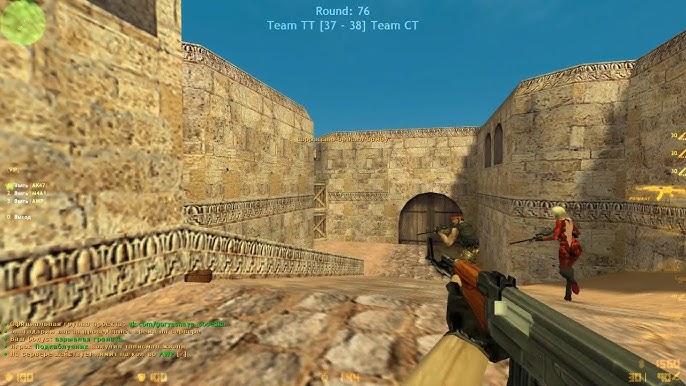
Maps played just as important a role. Carefully designed choke points, sightlines, and bomb sites created a rhythm that players learned over time. Familiarity didn’t make them stale—it made them deeper, as strategies evolved around every corner and angle.
Community carried it the rest of the way. From local LAN cafés to international tournaments, players built a culture around the game. Teams formed, rivalries grew, and what started as a mod became something much larger.
That’s why Counter-Strike endured. It didn’t try to be everything—it focused on doing a few things exceptionally well. And in doing so, it set a standard that competitive shooters are still trying to match.