LameSpy Tutorials


LameSpy is a GameSpy-style server browser built for classic PC games. It exists for one main reason: to make it easy to find and join active servers for older titles that many players assume no longer have an online scene. Games like Unreal, Unreal Tournament, Quake 3 Arena, Rune, and other late-90s and early-2000s PC staples still have dedicated communities and running servers. The problem is visibility. LameSpy brings all of that back into one place with a familiar, straightforward browser.

Following its removal from digital storefronts, the legendary arena shooter Unreal Tournament (1999) is now freely available to download. Keeping the game alive and kicking on modern hardware is the premier development community at OldUnreal.com, who have spent years maintaining and updating the classic engine for today's operating systems.
Forget the hassle of mounting old CD image files, installing the 1.0 version, and digging through forums for unofficial patches and renderer fixes. OldUnreal provides a completely streamlined, all-in-one installer that sets up the full game with modern resolutions, fixed audio, and network compatibility right out of the box. Just download it, run the installer, and jump straight into the action.
Give Me Deus Ex (GMDX) has long been considered the premier overhaul mod for the legendary immersive sim. Rather than completely reinventing the wheel, GMDX boasts a tasteful, restrained level of changes that remain fiercely true to the original vision. It enhances the AI, polishes the RPG mechanics, and upgrades the visuals while carefully preserving the moody 2000s atmosphere.
Now, the long-awaited "Augmented Edition" update has finally arrived. This huge release brings an incredible amount of polish, deep bug fixes, and carefully balanced gameplay tweaks that make Liberty Island and beyond feel fresh yet deeply familiar. If you've been waiting for the perfect excuse to reinstall Deus Ex, this is exactly what you need.
Experience a gritty, Half-Life 2-themed team-elimination gamemode designed for competitive and community play in Garry's Mod. Matches are built around fast-paced, three-minute rounds where the team with the most surviving members takes the win. With strict built-in anti-griefing measures—like automatic slays to discourage team-killing and disabled global chat for eliminated players to prevent ghosting—the focus stays squarely on raw skill and teamwork.
The gamemode features a detailed kill feed, active K/D tracking, dynamic spectator modes, and actively encourages map designs that utilize breakable loot crates to keep the combat unpredictable. Grab your friends, join a server, and see if your team has what it takes to survive.

Following in the footsteps of its predecessor, the massively expanded sequel Unreal Tournament 2004 is also fully free to download and play. The dedicated development team at OldUnreal.com has been hard at work ensuring this pinnacle of fast-paced arena and vehicular combat remains perfectly preserved for today's hardware.
There is no need to hunt down multiple installation discs, track down old CD keys, or figure out confusing patch orders. OldUnreal offers a brilliant, all-in-one community installer that seamlessly sets up the complete UT2004 experience. It packs in essential modern compatibility fixes, native widescreen support, and polished networking so you can jump back into Onslaught mode with zero friction.
Following the massive success of the first game's revival, Quake II has received the exact same premium treatment. Also utilizing the KEX engine, this Enhanced Edition feels exactly the way you remember it, but runs beautifully at modern resolutions right out of the box. It is a completely frictionless retro-shooter experience complete with the restored Sonic Mayhem soundtrack and striking visual enhancements.
This isn't just a basic port—it is the ultimate compilation. It unifies the base game, both classic mission packs, a port of the Nintendo 64 version, and a totally new expansion designed specifically for this release. With a modernized multiplayer browser and lobby framework seamlessly integrated, setting up a brutal deathmatch or a full co-op run takes seconds instead of hours.
Deus Ex is a masterpiece of single-player design, built entirely around personal choice, isolation, and atmospheric immersion. So what happens when you throw a group of friends into the mix? Absolute, beautiful chaos. Playing such a classic, deliberately paced RPG cooperatively is a remarkably novel experience that flips the traditional gameplay on its head.
Whether you're coordinating synchronized stealth takedowns or just accidentally blowing each other up with LAMs in the UNATCO headquarters, the co-op mod breathes entirely new life into JC Denton's mission. If you're gearing up for your 900th run through Liberty Island, why do it alone? Turn a deeply familiar classic into an unpredictable cooperative experience.

Just like its multiplayer spin-offs, the foundational masterpiece Unreal Gold has been carefully preserved and made freely available by the dedicated volunteers at OldUnreal.com. If you have been looking to revisit the atmospheric crash site of the Vortex Rikers, getting the game running on contemporary hardware is now an absolute breeze.
Gone are the days of wrestling with outdated rendering APIs, broken audio drivers, or hunting for obscure user-made patches. OldUnreal's comprehensive community installer does all the heavy lifting, providing the full game packaged with a modernized engine version. It guarantees native widescreen support, restored tracker music, and flawless performance directly out of the box.

Nightdive Studios has once again worked their magic, bringing the iconic Star Wars first-person shooter Dark Forces back to life. Running on their robust KEX engine, this remaster preserves the classic run-and-gun action of Kyle Katarn's first adventure while introducing native widescreen support, high-resolution textures, and silky-smooth framerates.
You no longer need to fuss with complicated DOSBox configurations or obscure source ports to infiltrate the Empire. The remaster thoughtfully updates the controls to accommodate modern mouse-look standards flawlessly, complete with restored cutscenes and modern controller support. It is the ultimate, entirely frictionless way to bring down the massive Dark Trooper project.
The original Quake holds a sacred place in PC gaming, and its recent remaster by Nightdive Studios treats it with the reverence it deserves. Powered by the versatile KEX engine, this update delivers an air-tight experience on modern hardware without losing an ounce of its original grimy charm. It strips away all the friction of getting a 90s game running on today's operating systems.
What makes this package truly exceptional is the sheer volume of content. It bundles every original expansion pack along with a brand-new, spectacular episode crafted by MachineGames. Furthermore, the remaster abandons the hassle of IP-sharing in favor of its own built-in, cross-play multiplayer lobby system, making it incredibly easy to jump into classic deathmatch or co-op campaigns with friends.

While the original DOSBox remains a staple for retro gaming, its focus is strictly isolated to the DOS environment. Enter DOSBox-X: an incredibly ambitious fork designed to be a complete, robust emulator for the entire retro PC architecture. Far surpassing standard DOS constraints, DOSBox-X empowers you to actually install and seamlessly run early graphical operating systems, including Windows 3.x, 95, 98, and ME.
This transforms the program from a simple game launcher into a meticulous historical sandbox. It natively emulates an astonishing array of vintage hardware, fully supporting 3dfx Voodoo graphics acceleration and legendary sound modules like the Roland MT-32 and Sound Blaster. Whether you are aiming to play early Direct3D Windows 9x titles or simply want to experience the pure nostalgia of the Windows 95 boot chime, DOSBox-X is the definitive tool for the job.
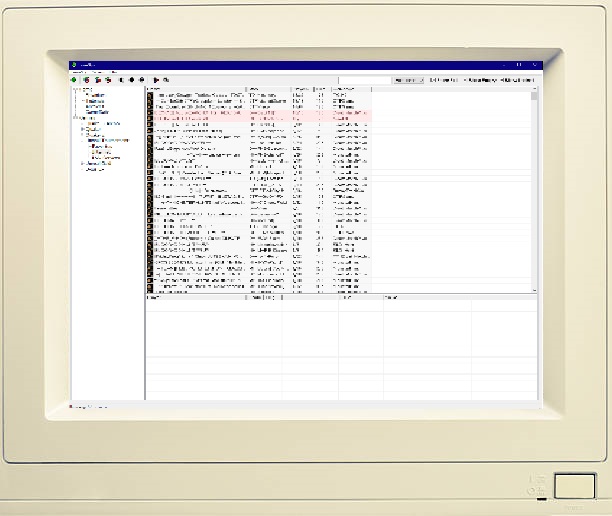
LameSpy is a game launcher, setup assistant, and GameSpy-style server browser built for classic PC games like Unreal, Unreal Tournament, Quake 3 Arena, and Rune. Its built-in launcher takes the hassle out of configuring older titles, letting you manage resolution, FOV, and startup parameters without manually editing configuration files. Save each game’s executable path, configure your settings once, and launch directly into your chosen server.
Getting older games running on modern systems can take a little help. LameSpy puts setup tutorials and links to patches, renderer updates, and community tools inside the program, making essential resources easier to find. Once you’re ready to play, browse active servers across multiple games, sort by ping or player count, and save your favorites in a familiar interface.
The first public beta is available now for Windows, with compatibility across Windows versions still being tested. No installer is required: copy the folder somewhere (avoid using in your Program Files folder!) and run LameSpy.exe. Whether you’re returning to an old favorite or discovering it for the first time, LameSpy makes classic PC multiplayer easier to set up, launch, and enjoy.
Unreal Gold
Unreal Tournament
Unreal Tournament 2004
Unreal Tournament 3
All Unreal Games
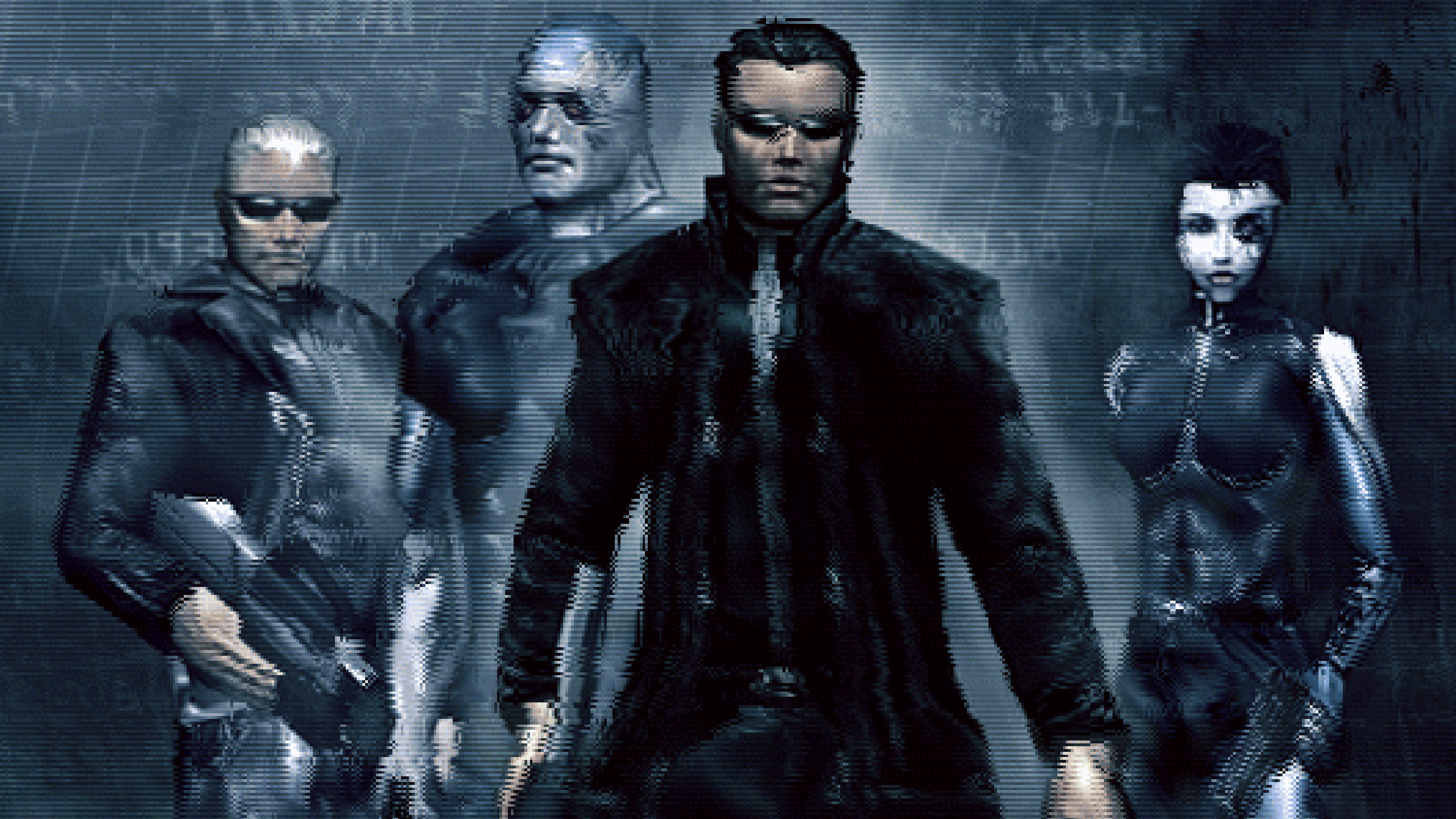
Download and setup HX mod
Augment your experience with GMDX
More mods at ModDB
The internet used to be a wilder, weirder place. We've compiled some of our favorite destinations for classic files, vintage software, and communities that still keep the beige-box dream alive.

The Wayback Machine is an essential archive for anyone who loves the early internet, preserving the websites and communities that helped shape the modern web.
Below is a curated selection of GameSpy Network snapshots — primarily from around 2001 — where most, if not all, images remain intact, offering a rare and authentic glimpse into that era.
Note that pages from the Wayback Machine can load slowly, and sometimes may be missing images. These pages do have their images intact, however sometimes images may not load correctly. If this happens, try again later.

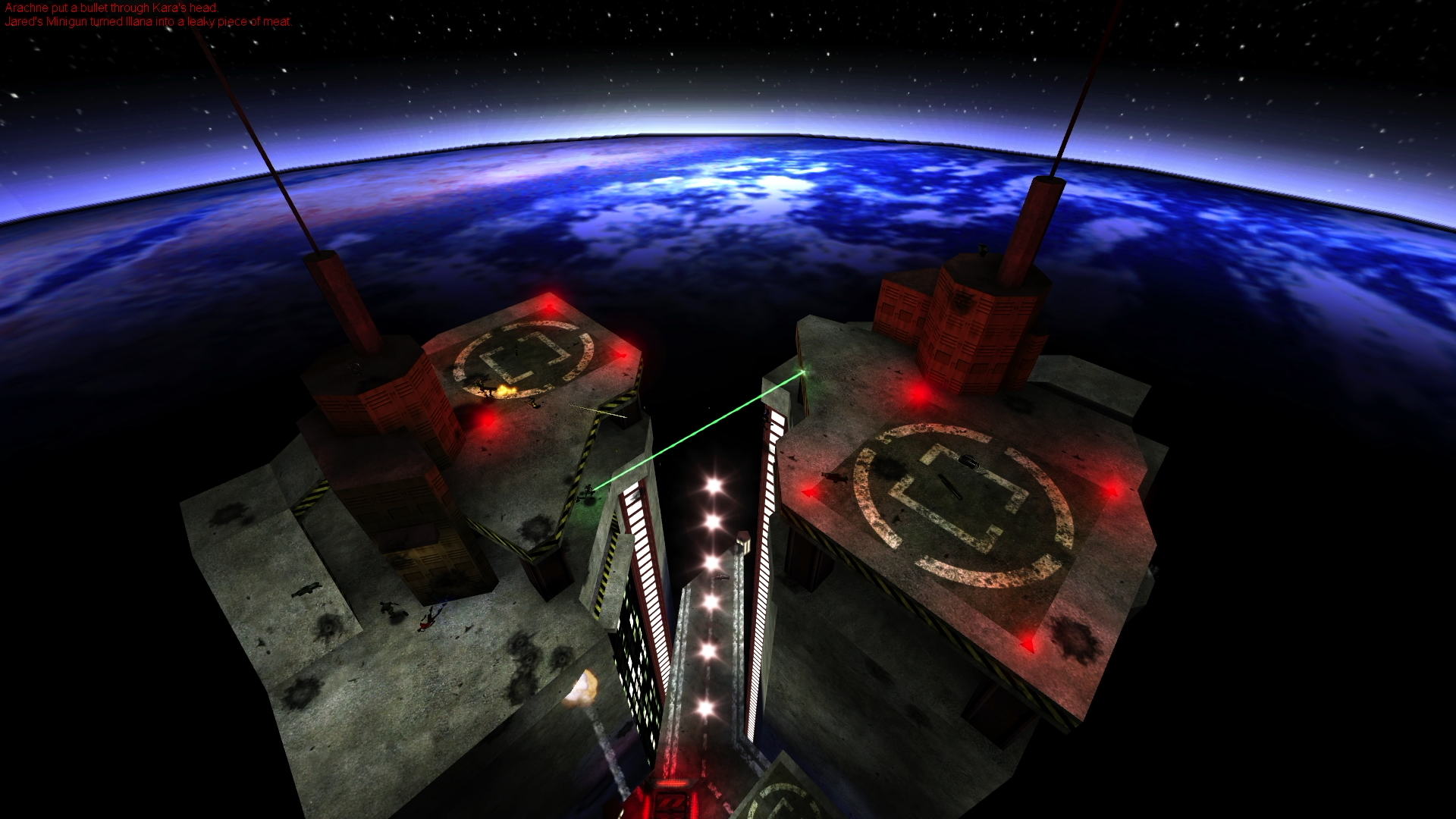
Unreal didn’t just want to scare you—it wanted to disorient you. From the moment you crash-landed on Na Pali, the world felt vast, lonely, and hostile in a way few shooters had attempted. Its dynamic lighting, massive outdoor spaces, and moody soundtrack made exploration as important as combat. Even today, Unreal’s sense of place feels more “real” than many technically superior games that followed.
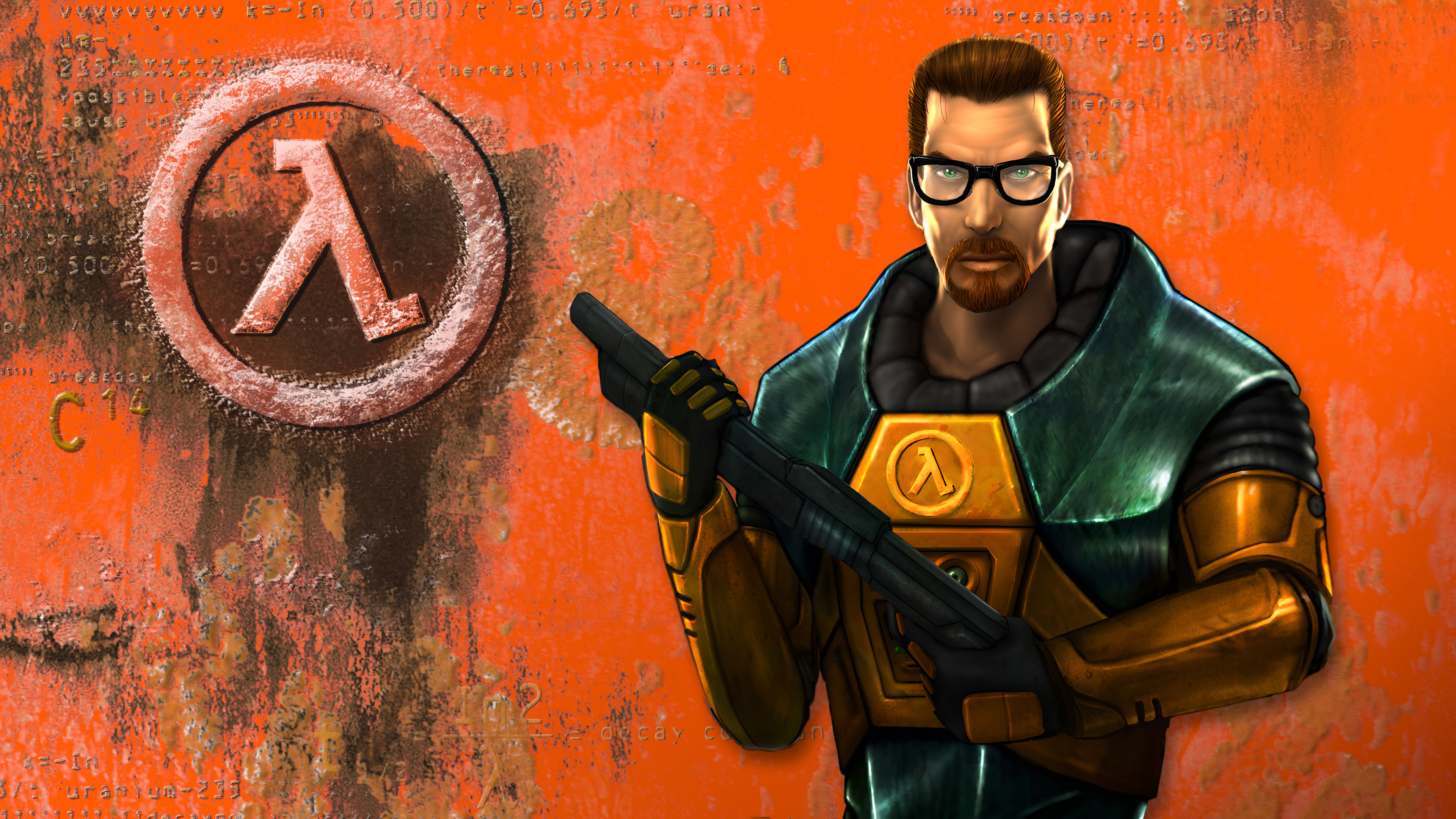
Before Half-Life, shooters paused the action to tell stories. After Half-Life, the story was the action. No cutscenes. No fade-outs. Just a bad day at work that kept getting worse. Valve proved that scripted events could happen around the player instead of at them. The result was immersion so strong that even silent protagonists felt human. The industry took notes—and never stopped copying.
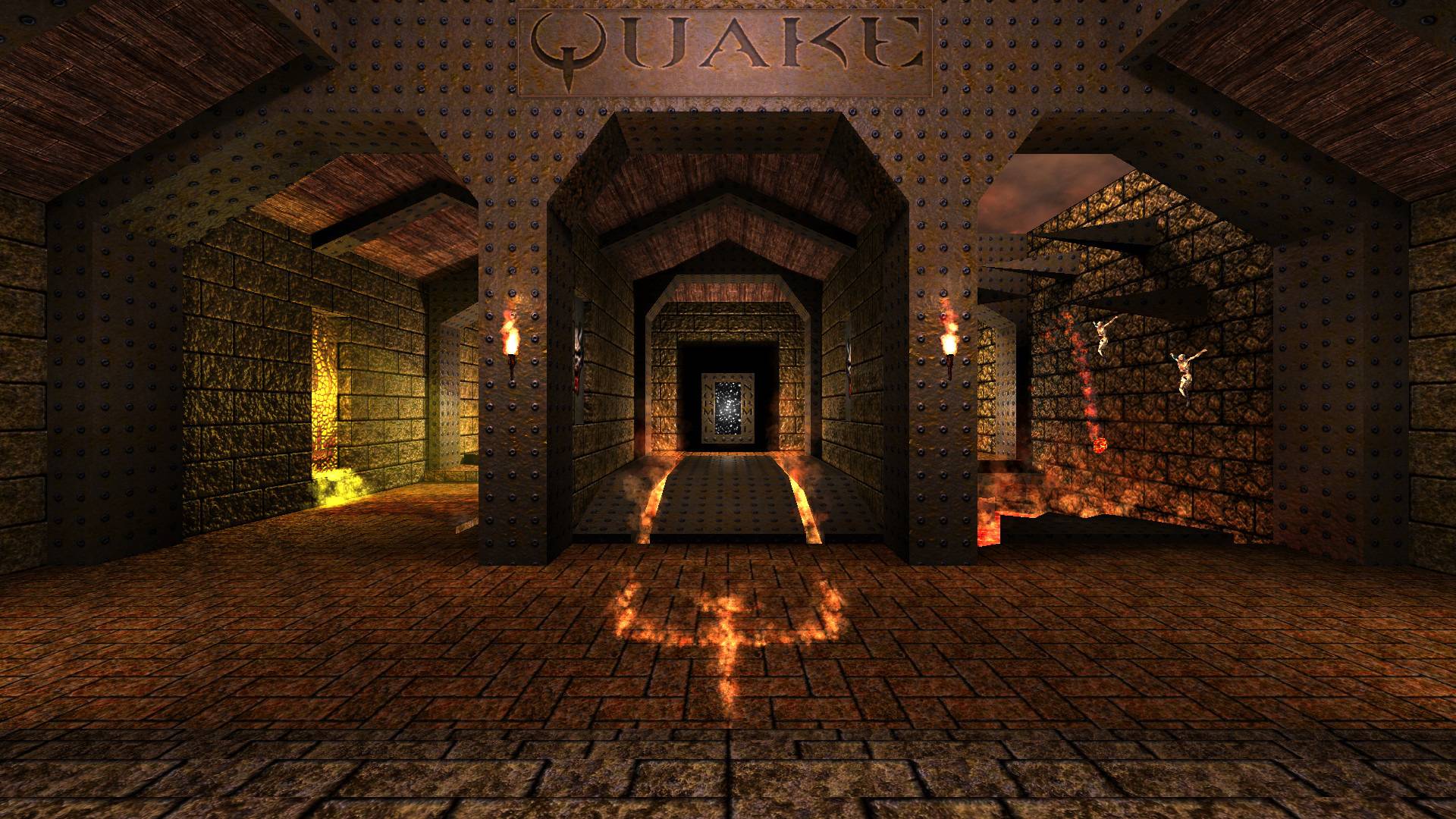
When Quake shipped in 1996, nobody expected it to redefine how people played games together. TCP/IP multiplayer wasn’t a bullet point—it was a revolution. Overnight, bedrooms turned into server rooms and dorm basements into battlegrounds. The game’s clean networking model and lightning-fast movement made dial-up tolerable and LAN parties legendary. Mods, maps, and total conversions followed, and suddenly players weren’t just consumers—they were co-developers. In many ways, today’s always-online shooters still live in Quake’s shadow.

Every generation rediscovers Doom. Modders port it to refrigerators, calculators, and devices that clearly shouldn’t run games at all—and it works. At its core, Doom is pure mechanical perfection: instant feedback, readable enemies, and speed that still feels modern. Trends change, engines evolve, but Doom remains the gold standard for how shooting should feel.
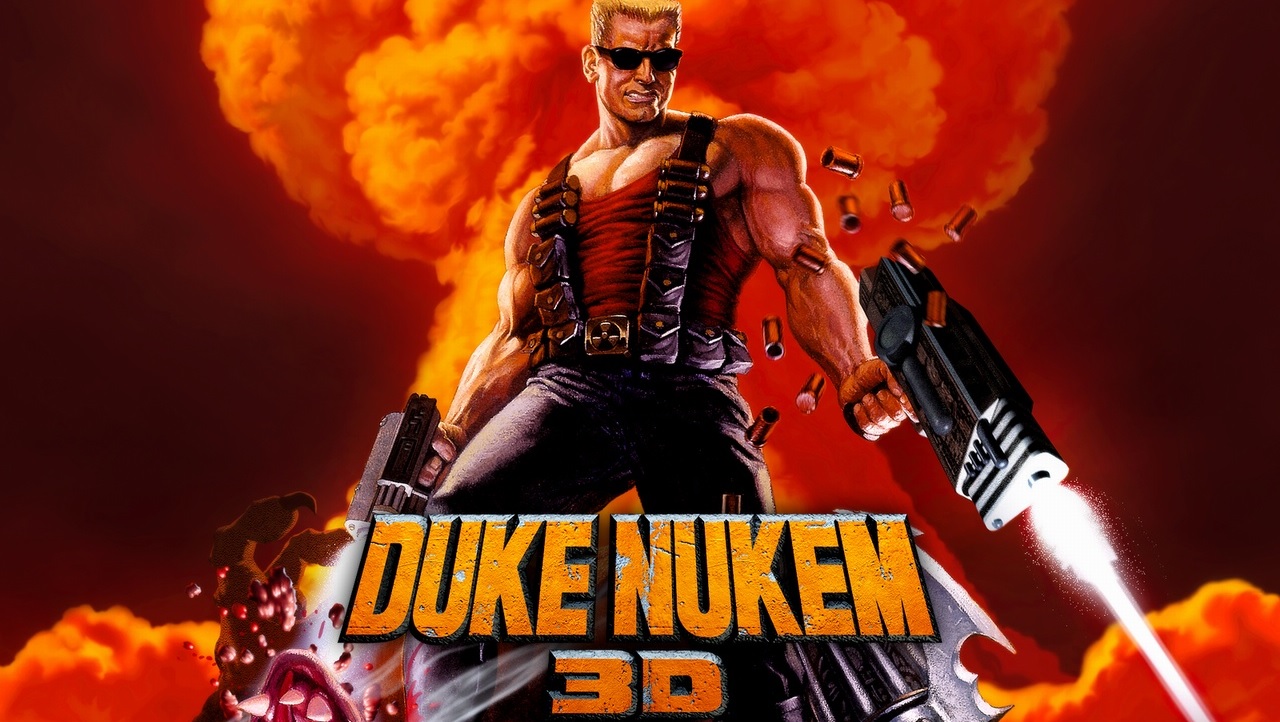
Behind the jokes and bravado, Duke Nukem 3D quietly redefined level design. Interactive environments, destructible elements, and vertical combat made its worlds feel alive. Duke didn’t just run through levels—he inhabited them. The humor got attention, but the design earned loyalty.
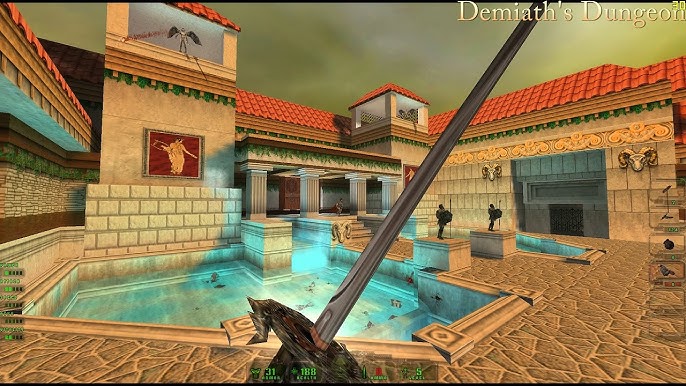
Few games have been judged as harshly as Daikatana. Burdened by years of delays and impossible expectations, it became an industry punchline before most players even touched it. Yet beneath the controversy lies an ambitious shooter with bold ideas: time travel, RPG elements, and squad-based combat. It wasn’t the revolution promised—but it was far more interesting than its reputation suggests.
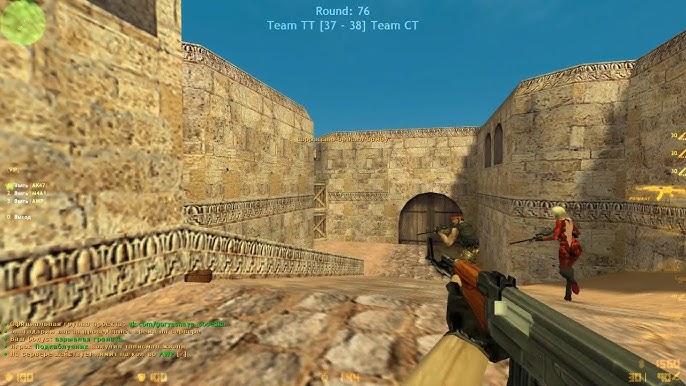
What started as a Half-Life mod turned into one of the most influential competitive games ever made. Counter-Strike stripped shooters down to essentials: precision, teamwork, and consequence. No respawns. No chaos. Every mistake mattered. Internet cafés, LAN tournaments, and esports leagues followed—and competitive shooters have been chasing its formula ever since.
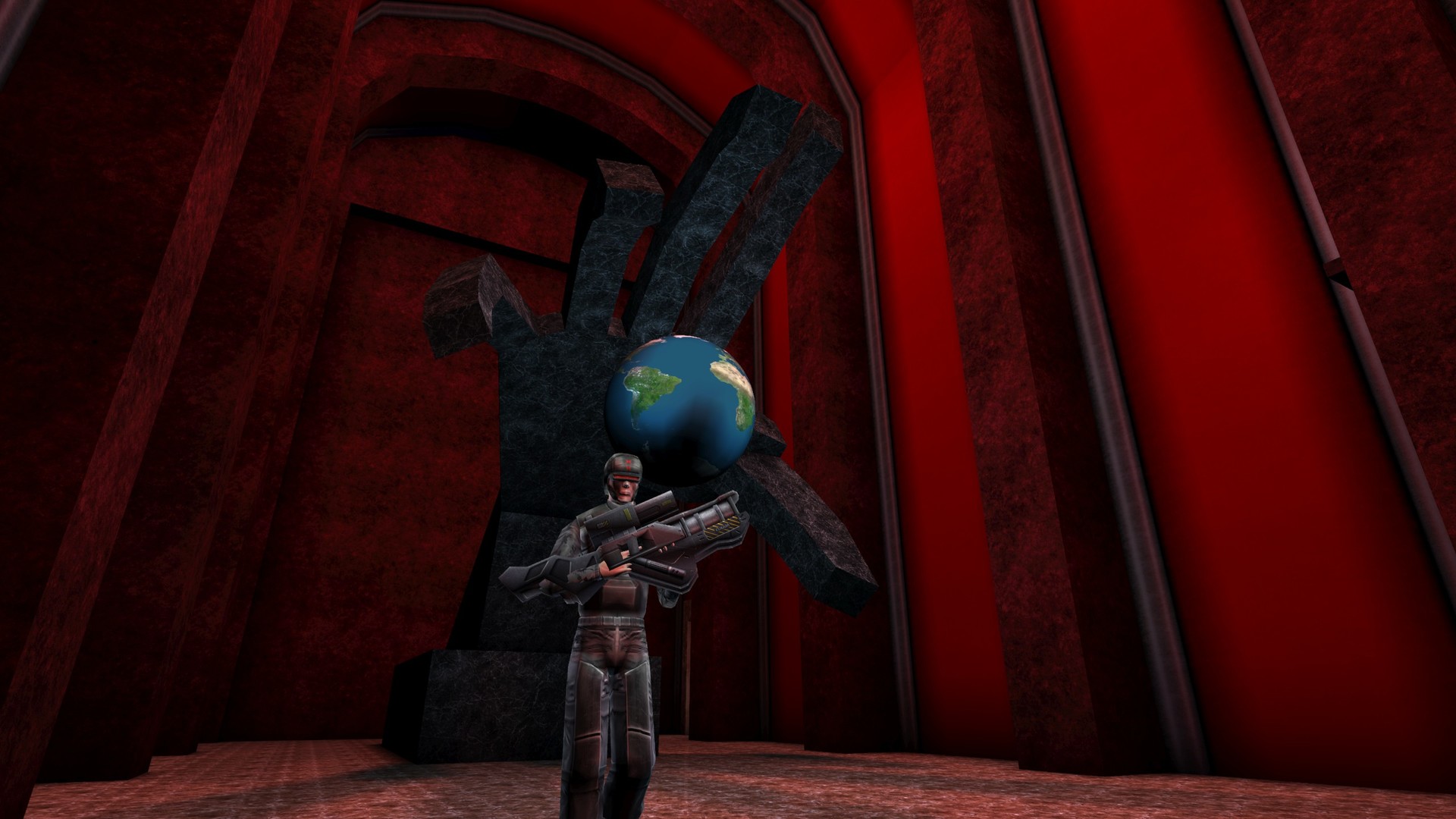
Deus Ex didn’t care how you solved problems—only that you owned the results. Sneak, hack, shoot, talk, or break the game entirely. It accounted for all of it. This trust made players feel intelligent rather than managed. Every choice had weight, and every playthrough felt personal. Even today, few games match its confidence in player agency.
Check out fully intact GameSpy network websites such as Planet Unreal, Planet Half-Life, Planet Quake, and more.
Experience the golden era of PC gaming over at the archives page.
Unreal didn’t just want to scare you—it wanted to disorient you. From the moment you crash-landed on Na Pali, the world felt vast, lonely, and hostile in a way few shooters had attempted.
Its dynamic lighting, massive outdoor spaces, and moody soundtrack made exploration as important as combat. Even today, Unreal’s sense of place feels more “real” than many technically superior games that followed.
What made it work wasn’t just technology, though at the time it was pushing things far beyond its peers. It was the pacing. Long stretches without enemies, broken only by ambient sounds or distant movement, forced you to slow down and absorb your surroundings. The game trusted you to feel small in its world, rather than constantly empowering you.
Na Pali itself felt cohesive in a way that many modern games still struggle to achieve. You weren’t just moving through disconnected levels—you were traveling across a believable landscape. Ancient temples, crashed ships, and quiet villages hinted at a larger story without spelling it out. It was environmental storytelling before that became an industry buzzword.
Even the combat fed into the atmosphere. Weapons felt strange and unfamiliar, enemies behaved unpredictably, and encounters often felt like intrusions into a world that existed without you. You weren’t the center of it—you were surviving in it.
That’s why Unreal still holds up. Not because it looks better, but because it understood something many modern games forget: realism isn’t about visual fidelity—it’s about creating a place that feels alive, mysterious, and just a little bit indifferent to your presence.
Before Half-Life, shooters paused the action to tell stories. After Half-Life, the story was the action. No cutscenes. No fade-outs. Just a bad day at work that kept getting worse. Valve proved that scripted events could happen around the player instead of at them. The result was immersion so strong that even silent protagonists felt human. The industry took notes—and never stopped copying.
What really set it apart was control. The game almost never took it away from you. You could look around during conversations, walk off mid-sentence, or ignore things entirely. It created the illusion that everything was happening whether you participated or not. That alone made Black Mesa feel less like a series of levels and more like a real place unraveling in real time.
The pacing played a huge role too. Quiet moments—scientists talking, machinery humming—gave context to the chaos that followed. When things went wrong, it wasn’t just another mission objective. It felt like a catastrophic failure of a system you had just been walking through minutes earlier.
Even small details mattered. NPCs reacted to you, doors opened with purpose, and scripted sequences were timed to feel natural instead of theatrical. Nothing screamed “this is a set piece,” even though that’s exactly what they were. The trick was that you were always inside them, never watching from the outside.
That approach rewired expectations. Suddenly, players didn’t want story breaks—they wanted story integration. Half-Life showed that narrative and gameplay didn’t have to compete for attention. They could be the same thing, happening at the same time, without interruption.
Decades later, that design still echoes through the industry. Whether it’s subtle environmental cues or large scripted moments, the blueprint is unmistakable. Half-Life didn’t just raise the bar—it quietly replaced it with something else entirely.
When Quake shipped in 1996, nobody expected it to redefine how people played games together. TCP/IP multiplayer wasn’t a bullet point—it was a revolution. Overnight, bedrooms turned into server rooms and dorm basements into battlegrounds.
The game’s clean networking model and lightning-fast movement made dial-up tolerable and LAN parties legendary. Mods, maps, and total conversions followed, and suddenly players weren’t just consumers—they were co-developers. In many ways, today’s always-online shooters still live in Quake’s shadow.
Part of what made it click was how simple it was to jump in. You could host a server, share an IP, and suddenly you had a match going. No accounts, no matchmaking queues—just direct connection. It felt raw, immediate, and a little chaotic, but that was the appeal. You weren’t entering a system; you were plugging into someone else’s machine.
Movement became its own language. Strafe-jumping, rocket jumping, and air control weren’t taught— they were discovered. Players pushed the mechanics far beyond what was intended, and instead of breaking the game, it defined it. Skill wasn’t just about aim; it was about mastering physics that felt almost like a sport.
Then came the mods. Tools were released, and the community ran with them. Entire genres were born out of it— team-based shooters, class systems, custom rule sets. Servers developed identities, regulars formed communities, and maps became as recognizable as the players themselves.
LAN parties tied it all together. Hauling beige towers and CRT monitors across town just to play for a weekend sounds ridiculous now, but at the time it was the best way to experience it. The noise, the cables, the shouting— it turned a game into a shared event.
Quake didn’t set out to build the blueprint for modern multiplayer, but that’s exactly what happened. Persistent servers, community-driven content, emergent skill systems—it all started here, stitched together by players who were just figuring it out as they went.
Every generation rediscovers Doom. Modders port it to refrigerators, calculators, and devices that clearly shouldn’t run games at all—and it works.
At its core, Doom is pure mechanical perfection: instant feedback, readable enemies, and speed that still feels modern. Trends change, engines evolve, but Doom remains the gold standard for how shooting should feel.
A big part of its longevity is how transparent everything is. You always know what’s happening. Enemies telegraph their attacks, weapons respond immediately, and movement is fast without feeling slippery. There’s no ambiguity—just clear, readable action that rewards instinct and awareness.
The simplicity is deceptive. Underneath it is a tightly tuned loop of aggression and survival. You’re constantly balancing positioning, ammo, and crowd control, often making split-second decisions that feel obvious in hindsight but intense in the moment. That loop hasn’t aged at all.
Then there’s the modding scene, which never stopped. New maps, total conversions, graphical overhauls—people have been rebuilding Doom for decades without losing what made it work. It’s less a single game and more a platform that refuses to go away.
Even modern reinterpretations circle back to the same core ideas: keep the player moving, keep the feedback immediate, and never get in the way of the action. You can dress it up however you want, but the foundation is still there.
That’s why Doom keeps coming back. Not out of nostalgia, but because it got the fundamentals right the first time. Everything else is just variation on a formula that never really needed fixing.
Behind the jokes and bravado, Duke Nukem 3D quietly redefined level design. Interactive environments, destructible elements, and vertical combat made its worlds feel alive.
Duke didn’t just run through levels—he inhabited them. The humor got attention, but the design earned loyalty.
Levels felt grounded in recognizable places—city streets, movie theaters, strip clubs, rooftops—rather than abstract corridors. That familiarity made the chaos hit harder. You weren’t navigating a maze; you were tearing through a space that felt like it existed before you showed up.
Interactivity was everywhere. Light switches, security cameras, breakable glass, hidden panels—small touches that made you poke at the environment just to see what would happen. It encouraged curiosity in a way most shooters at the time didn’t.
Combat benefited from that design. Enemies attacked from above and below, ambushes came from unexpected angles, and verticality forced you to think beyond flat movement. It wasn’t just about reflexes—it was about awareness of space.
The tone tied it all together. Duke’s personality could have easily overwhelmed the game, but instead it gave context to everything you were doing. The world reacted to him, and he reacted right back, creating a strange sense of presence that went beyond simple player control.
That’s why it stuck. Strip away the one-liners and what remains is a game that pushed interaction, spatial design, and player engagement forward in ways that still feel relevant. The attitude got people in the door, but the depth is what kept them there.
Few games have been judged as harshly as Daikatana. Burdened by years of delays and impossible expectations, it became an industry punchline before most players even touched it.
Yet beneath the controversy lies an ambitious shooter with bold ideas: time travel, RPG elements, and squad-based combat. It wasn’t the revolution promised—but it was far more interesting than its reputation suggests.
Part of the backlash came from timing. By the time it released, the industry had already moved forward. What once looked cutting-edge now felt dated, and expectations hadn’t adjusted. Players weren’t meeting the game on its own terms—they were measuring it against years of hype it could never realistically satisfy.
But step back from that context, and the design starts to stand out. The shifting time periods gave each episode a distinct identity, from feudal Japan to futuristic settings. It wasn’t just a visual change—the weapons, enemies, and pacing all shifted with it, giving the game a sense of progression that felt different from standard shooters of the era.
The squad system, while rough around the edges, was trying something uncommon. AI companions weren’t just background noise—they were meant to be part of the experience. Protecting them, fighting alongside them, and dealing with their limitations added a layer of tension that pure solo shooters didn’t have.
Even the RPG elements hinted at a broader ambition. Stats, progression, and inventory systems suggested a hybrid design that was ahead of its time, even if the execution didn’t fully land. It was reaching for something bigger than a straightforward run-and-gun.
That’s what makes Daikatana worth revisiting. Not because it secretly succeeded at everything, but because it tried to do more than expected. Strip away the noise, and you’re left with a game that took risks—some of which worked, some of which didn’t—but all of which make it more interesting than the reputation that followed it.
What started as a Half-Life mod turned into one of the most influential competitive games ever made. Counter-Strike stripped shooters down to essentials: precision, teamwork, and consequence.
No respawns. No chaos. Every mistake mattered. Internet cafés, LAN tournaments, and esports leagues followed—and competitive shooters have been chasing its formula ever since.
Its brilliance came from restraint. There were no unnecessary systems layered on top—just a clean loop of attack and defense, built around a few simple objectives. That clarity made every round easy to understand but difficult to master.
The economy system added another layer of decision-making. Winning and losing didn’t just affect the scoreboard—they shaped what you could afford next. Teams had to think ahead, balancing risk and reward, sometimes sacrificing a round to secure a stronger position later.
Weapons felt deliberate. Recoil patterns, movement penalties, and hit detection all demanded control and discipline. It wasn’t about spraying and hoping—it was about precision under pressure, where even a single bullet could decide the outcome.
Maps played just as important a role. Carefully designed choke points, sightlines, and bomb sites created a rhythm that players learned over time. Familiarity didn’t make them stale—it made them deeper, as strategies evolved around every corner and angle.
Community carried it the rest of the way. From local LAN cafés to international tournaments, players built a culture around the game. Teams formed, rivalries grew, and what started as a mod became something much larger.
That’s why Counter-Strike endured. It didn’t try to be everything—it focused on doing a few things exceptionally well. And in doing so, it set a standard that competitive shooters are still trying to match.
Deus Ex didn’t care how you solved problems—only that you owned the results. Sneak, hack, shoot, talk, or break the game entirely. It accounted for all of it. This trust made players feel intelligent rather than managed. Every choice had weight, and every playthrough felt personal. Even today, few games match its confidence in player agency.
Levels were built like spaces, not corridors. You weren’t funneled—you were dropped into a place with multiple entry points, overlapping systems, and just enough information to improvise. A locked door wasn’t a dead end; it was a suggestion. Maybe there was a keypad code on a nearby terminal, a vent tucked behind a crate, or a guard who could be persuaded to look the other way. The game rarely told you the “right” way because it assumed you’d come up with something better.
Its systems overlapped in ways that encouraged experimentation. Skills, augmentations, inventory, and dialogue weren’t isolated mechanics—they fed into each other. A decision made early could ripple forward hours later, opening or closing paths you didn’t even know existed. You could talk your way past a problem one moment and then rely on raw firepower the next, and neither approach felt like a compromise.
What really set it apart was its tone. Conspiracies, surveillance, and control weren’t just window dressing—they shaped the way you approached the world. Information felt valuable. Trust felt risky. Even small interactions carried a sense that something bigger was always happening just out of view. It gave the game a kind of tension that didn’t rely on action alone.
And somehow, despite all that complexity, it stayed approachable. You could play it straight, ignore half the systems, and still have a great time. Or you could dig in, learn how everything connects, and start bending it to your will. That flexibility—paired with a willingness to let players fail, recover, and try again—is what keeps it feeling alive long after its time.