The Legend, the Delays, the Redemption
Revisiting Daikatana Without the Hype
Few games have been judged as harshly as Daikatana. Burdened by years of delays and impossible expectations, it became an industry punchline before most players even touched it.
Yet beneath the controversy lies an ambitious shooter with bold ideas: time travel, RPG elements, and squad-based combat. It wasn’t the revolution promised—but it was far more interesting than its reputation suggests.
Part of the backlash came from timing. By the time it released, the industry had already moved forward. What once looked cutting-edge now felt dated, and expectations hadn’t adjusted. Players weren’t meeting the game on its own terms—they were measuring it against years of hype it could never realistically satisfy.
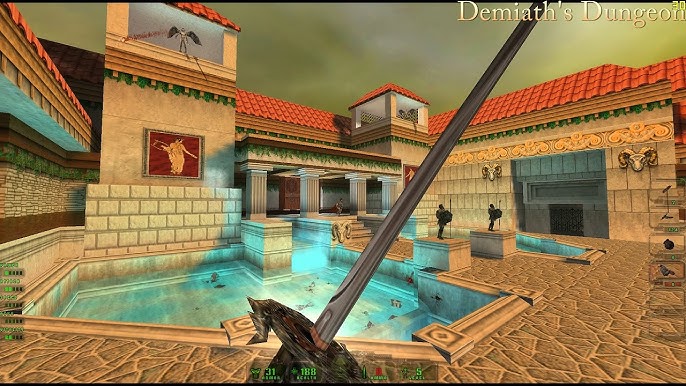
But step back from that context, and the design starts to stand out. The shifting time periods gave each episode a distinct identity, from feudal Japan to futuristic settings. It wasn’t just a visual change—the weapons, enemies, and pacing all shifted with it, giving the game a sense of progression that felt different from standard shooters of the era.
The squad system, while rough around the edges, was trying something uncommon. AI companions weren’t just background noise—they were meant to be part of the experience. Protecting them, fighting alongside them, and dealing with their limitations added a layer of tension that pure solo shooters didn’t have.
Even the RPG elements hinted at a broader ambition. Stats, progression, and inventory systems suggested a hybrid design that was ahead of its time, even if the execution didn’t fully land. It was reaching for something bigger than a straightforward run-and-gun.
That’s what makes Daikatana worth revisiting. Not because it secretly succeeded at everything, but because it tried to do more than expected. Strip away the noise, and you’re left with a game that took risks—some of which worked, some of which didn’t—but all of which make it more interesting than the reputation that followed it.